10 Common Building Approval Queensland Mistakes That Can Cost You Time and Money!

Planning a building project in Queensland or New South Wales?

Avoid these common mistakes before they become expensive problems.

Whether you’re building a new home, renovating an existing property, installing a patio, constructing a retaining wall or undertaking a commercial development in Queensland or New South Wales, building approval is an important part of the process.


Unfortunately, many property owners and builders make mistakes when dealing with building approvals. Some mistakes are simple misunderstandings, while others can lead to costly delays, additional expenses and compliance issues.


At Active Building Approvals, licensed & private building certifier, we regularly see situations where a little planning and the right professional advice could have saved property owners considerable time, money and frustration.


Here are 10 common building approval mistakes you should avoid.

1.  Starting Construction Before Obtaining Building Approval

This is one of the biggest mistakes property owners make.
Some people assume they can start building and organise the paperwork later. Unfortunately, this can create significant problems.

Depending on the type of work, building approval may be required before construction
begins.

Starting without the necessary approval can result in:

  • Stop-work notices.
  • Additional compliance requirements.
  • Costly rectification work.
  • Delays to the project.
  • Difficulties when selling the property.

Our advice: Before starting any building work in Queensland or New South Wales, check whether approval is required. Getting the right advice early can prevent unnecessary headaches.

Building Approval Queensland

2. Assuming Council Approval and Building Approval Are the Same Thing

Many property owners believe that if council has approved their development, they can automatically start construction.

This isn’t necessarily correct.

Development approval and building approval serve different purposes.

Development approval generally considers planning matters such as zoning, land use, setbacks and development requirements.

Building approval Queensland focuses on building compliance, including structural adequacy, fire safety, building standards and applicable construction requirements.

Depending on the project, you may require one or both approvals.

Our advice: Understand which approvals apply to your project before committing to construction.

3. Choosing the Cheapest Building Certifier Without Comparing the Service

Price is important, but it shouldn’t be the only consideration.
A building certifier plays an important role in helping ensure your project meets the relevant building requirements.
Choosing purely on price without considering experience, communication and service can create frustration.

Consider:

  • How responsive is the company?
  • Will someone explain the approval process?
  • Do they have experience with your type of project?
  • Are inspection requirements clearly explained?
  • Will you receive updates?
  • Competitive pricing

Our advice: Look for value, professional service and clear communication, not just the
cheapest quote.

building certifier

4. Submitting Incomplete Documentation

One of the most common causes of delays is submitting an incomplete building approval application.

Applications may require documentation such as:

  • Architectural drawings.
  • Structural engineering plans.
  • Site plans.
  • Soil reports.
  • Energy efficiency documentation.
  • Relevant certificates and supporting reports.

The exact requirements depend on the nature and complexity of the project.

Missing documentation can result in requests for additional information and delays in assessment.

Our advice: Make sure your documentation is complete and coordinated before submitting your application.

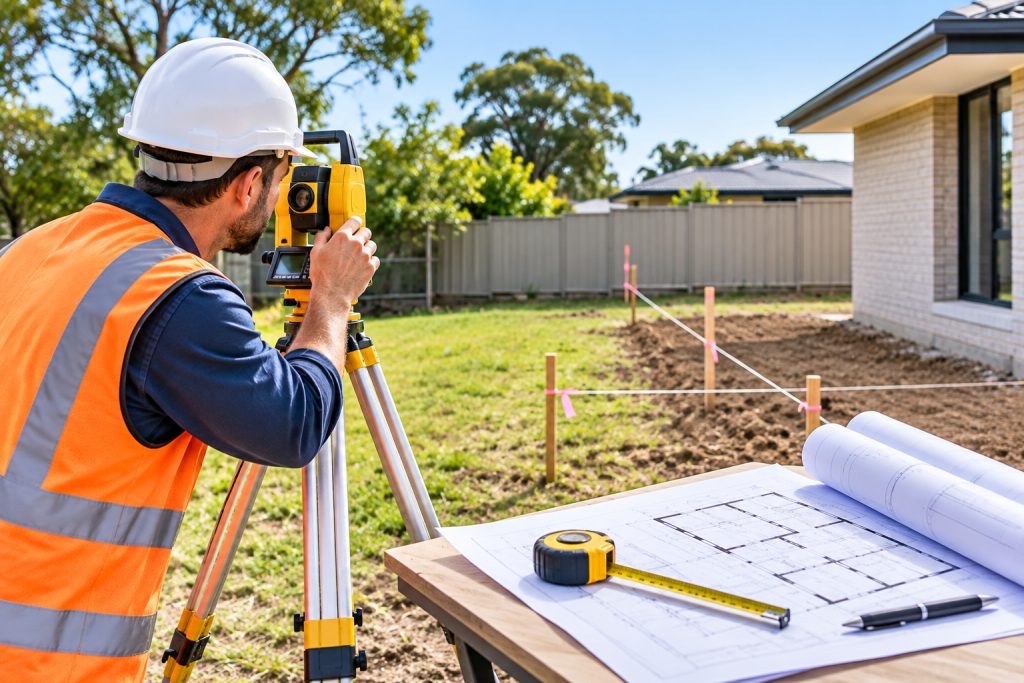
5. Not Checking Property Boundaries and Setbacks

Building too close to a boundary can become a serious issue.
Property owners sometimes rely on old plans, fencing or assumptions about where their boundaries are located.
Incorrect boundary information can affect:

  • Building setbacks.
  • Privacy requirements.
  • Fire separation.
  • Site coverage.
  • Building design and positioning.

In some cases, changes may be required before approval can be granted.

Our advice: Confirm your property boundaries and applicable setback requirements early in the design process.

private building certifiers

6. Making Changes During Construction Without Checking Approval Requirements

Changes during construction are common.

You might decide to move a wall, change a window, increase a patio size or alter the original design.

However, not every change can simply be made without further consideration.

Some changes may require revised documentation or amended approval before the work proceeds.

Our advice: Always speak with your building certifier before making changes to approved plans. This helps ensure the changes are properly assessed and documented.

7. Forgetting About Mandatory Building Inspections

Building approval Queensland isn’t just about obtaining paperwork at the beginning of a project.

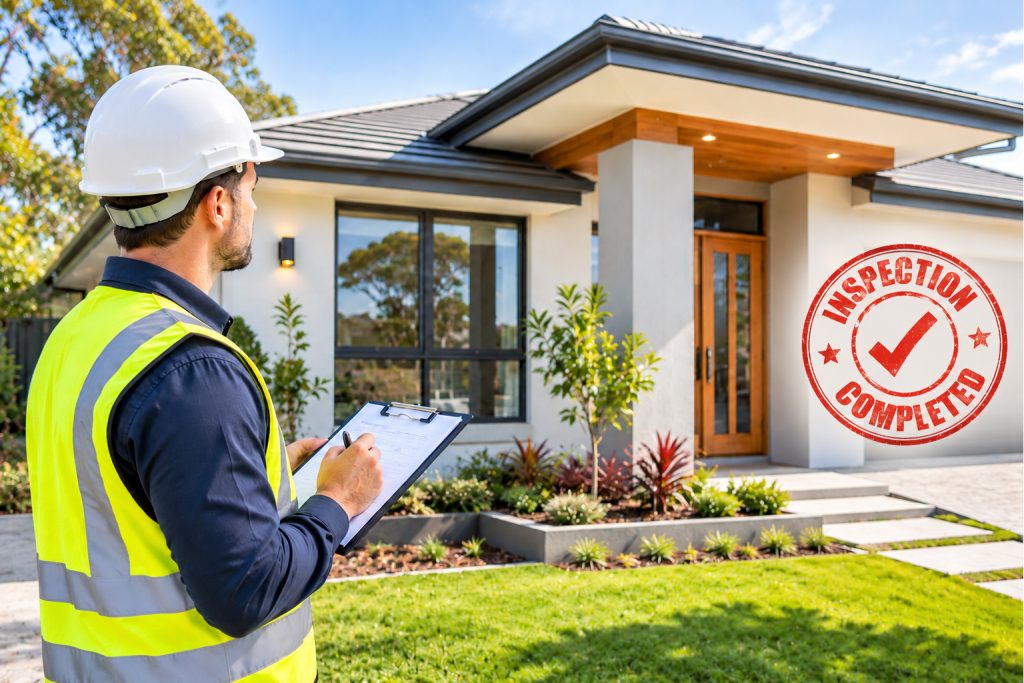
Depending on the building class and approval conditions, inspections may be required at specific stages of construction.

Missing an inspection can create difficulties, particularly when important building elements have already been covered up.

This can lead to additional inspections, supporting evidence requirements or potentially expensive investigation work.

Our advice: Understand your inspection schedule before construction starts and make sure your builder knows when inspections need to occur.

8. Assuming Small Structures Don’t Require Approval

Another common mistake is assuming that smaller structures are automatically exempt from building approval.

Patios, decks, carports, sheds, retaining walls and other structures may still require approval depending on their size, height, location, construction and applicable exemptions.

Even where building approval isn’t required, other planning, siting or regulatory requirements may still apply.

Our advice: Don’t assume your project is exempt simply because it is small. Check the applicable requirements before starting work.

private building certifiers

9. Leaving Building Approval Until the Last Minute

Many people spend months planning their project, selecting materials and organising builders, only to leave building approval until the last minute.

This can create unnecessary pressure.

Applications may require engineering, additional reports, design changes or further information before approval can be issued.

If these matters aren’t considered early, your construction schedule may be affected.

Our advice: Involve your building certifier early in the planning process. Early advice can help identify potential issues before they become delays.

10. Not Organising Final Certification and Documentation

Getting the building work completed doesn’t necessarily mean the approval process is finished.

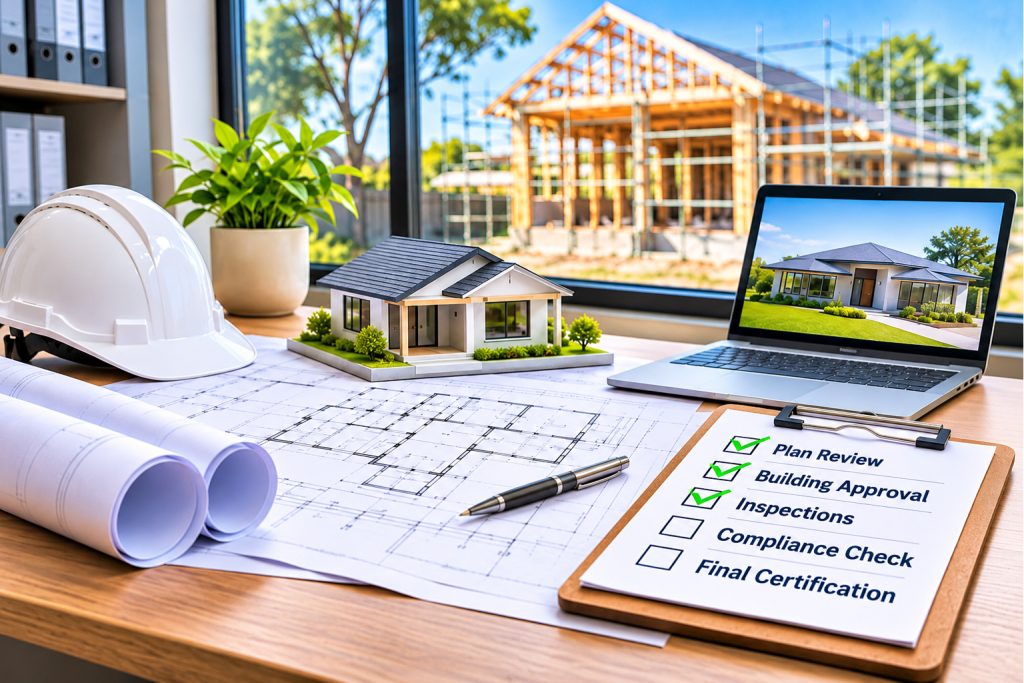
Depending on the project, final inspections, certificates and other documentation may be required before the building certifier can issue the relevant final certification.

Failing to organise these requirements can cause problems later when:

  • Selling the property.
  • Refinancing.
  • Applying for insurance.
  • Leasing the property.
  • Undertaking future renovations.

Our advice: Make sure all required inspections and certification documentation are completed and retained.

What If You’ve Already Built Without Building Approval in Queensland?

If you’ve already completed building work without the required approval, don’t ignore the situation.

Depending on the circumstances, there may be options to investigate and address the compliance issues.

Retrospective building approval Queensland can be more complicated than obtaining approval before construction, as additional documentation, inspections, engineering reports or rectification work may be necessary.

The first step is to obtain professional advice about your particular circumstances.

Active Building Approvals, private building certifier Brisbane, can assist with assessing your situation and identifying the appropriate next steps.

Avoid the Mistakes. Get the Right Advice From the Beginning.

Building projects involve significant financial commitments. The last thing you need is an unexpected approval issue delaying your project or costing you additional money.

The good news is that many common mistakes can be avoided with proper planning, clear communication and the right professional advice.

At Active Building Approvals, building certifiers Brisbane, we believe building certification should be straightforward, professional and supported by good communication.

We work with homeowners, builders, developers and businesses to help navigate the building approval and certification process.

Our services include assistance with:

We service Brisbane, the Gold Coast, Logan, the Sunshine Coast, Scenic Rim and Northern NSW.

Don’t Let a Building Approval Mistake Become an Expensive Problem.

Before you start your next building project, speak with a team that understands the importance of getting things right.

Contact Active Building Approvals today.

Active Building Approvals

Professional Service. Practical Advice. Building With Confidence.

Disclaimer: Building approval Queensland requirements depend on the project, property location and applicable legislation. This article provides general information only and should not be relied upon as project-specific building or legal advice. Always confirm the requirements applicable to your proposed work.

Frequently Asked Questions

Can I start building before I get building approval?

In most cases, no. Depending on the type of work, approval is needed before construction begins. Starting early can lead to stop-work notices, costly rectification and problems when you sell. Contact Active Building Approvals first and we’ll confirm whether your project needs approval and what to lodge.

Yes. Many homeowners and builders choose private building certifiers for responsive service and clear guidance. In Queensland, licensed private certifiers can assess applications, issue approvals and carry out inspections. Always confirm the licence of whoever you engage, then compare service as well as price
Often, yes. Patios, decks, carports, sheds and retaining walls may need approval depending on size, height, location and construction. Even where it isn’t required, planning or siting rules may apply. Residential building certifiers on the Gold Coast, like Active Building Approvals, can confirm what applies before you start.
Yes. Active Building Approvals services Northern NSW, as well as Brisbane, the Gold Coast, Logan, the Sunshine Coast and the Scenic Rim. Requirements differ between states, so send us your address and project details and we’ll confirm what applies.

Search for licensed certifiers that service your suburb, then compare experience, communication and service, not just price. Active Building Approvals services Brisbane, QLD, & NSW. So, you can send us your address and project details and we’ll
confirm we can help and which approvals your project needs.

private building certifiers